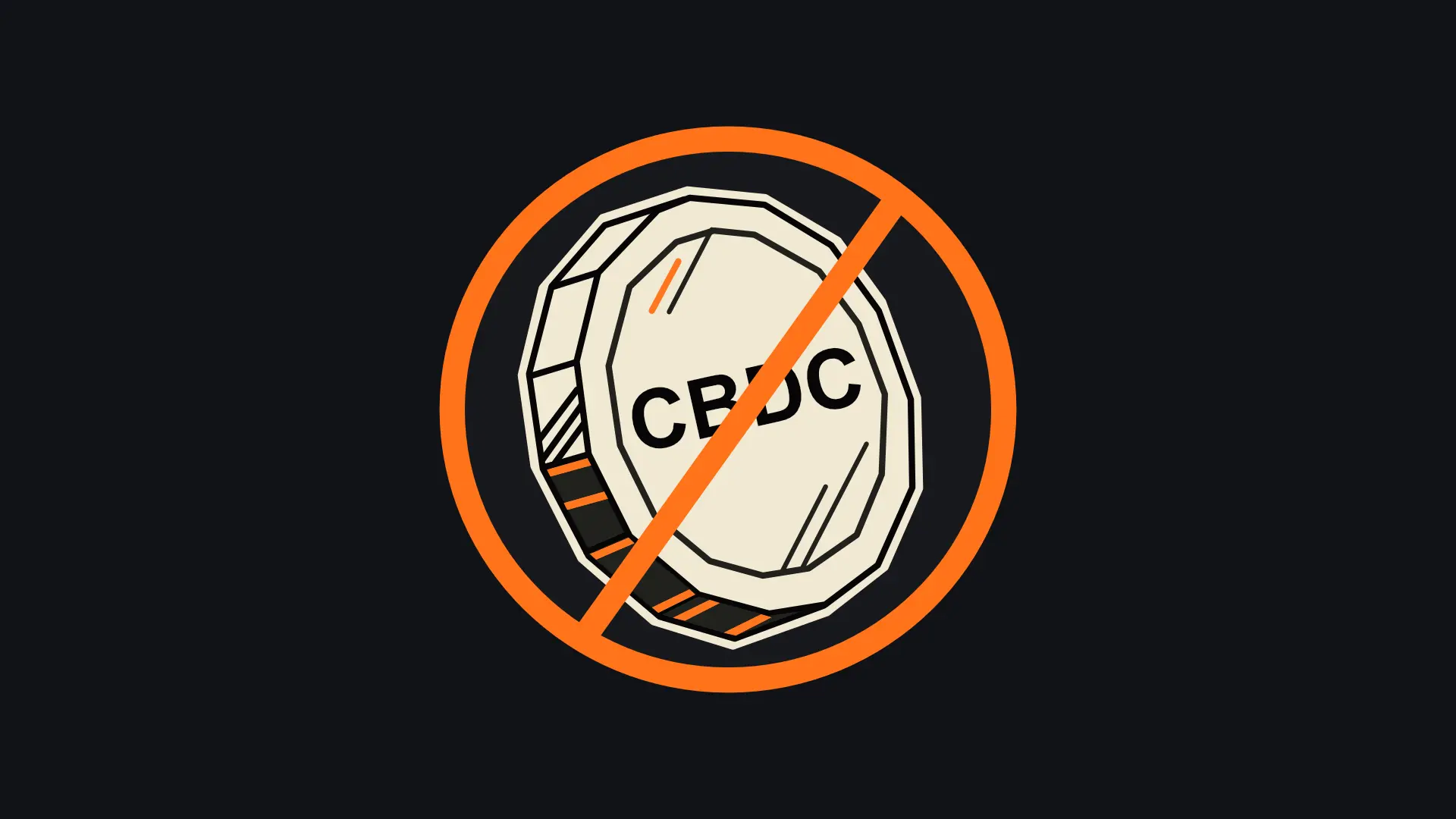
Representative Keith Self (R-TX) has submitted an amendment seeking to prohibit the development of a U.S. central bank digital currency (CBDC), announcing the move publicly on X(formerly Twitter). The amendment, filed as part of deliberations surrounding the National Defense Authorization Act (NDAA), represents the latest escalation in congressional opposition to a potential digital dollar.
In a post issued from his official account, Self stated:
“I have submitted an amendment to add a Central Bank Digital Currency (CBDC) ban to the NDAA after broken promises.”
— Rep. Keith Self (@RepKeithSelf), via X
The brief statement suggests internal disagreement over earlier NDAA negotiations, with Self alleging that commitments to address the CBDC issue were not honored. His decision to introduce a stand-alone amendment signals renewed efforts among some lawmakers to establish statutory limits on any Federal Reserve–issued digital currency.
Congressional resistance to a digital dollar intensifies
Self’s amendment aligns with a broader push among several legislators who argue that a CBDC could enable forms of federal oversight incompatible with financial privacy protections. While the Federal Reserve has maintained that any U.S. CBDC would require explicit authorization from Congress, critics contend that legislative safeguards are needed to prevent future administrations from advancing digital currency programs without sufficient oversight.
Embedding a CBDC prohibition into the NDAA — a must-pass defense policy bill — is notable. Such a move would elevate the CBDC debate beyond financial committees and into the core of U.S. national governance, increasing the difficulty of revisiting the issue in future sessions.
Potential implications for digital asset markets
Although Self’s announcement on X did not include the amendment’s final language, any binding restriction on CBDC development would likely carry meaningful implications for the digital asset ecosystem. Bitcoin and other decentralized networks could benefit from a sharper distinction between public blockchains and federal digital money systems. Stablecoin issuers may also become more strategically important if the U.S. steps away from a state-backed digital dollar, reinforcing privately issued dollar-pegged tokens as the dominant tools for digital settlement.
Such a move would also suggest a regulatory preference for supervising private-sector payment innovation rather than pursuing a government-run digital currency model. For now, market reaction remains limited, as congressional leadership has not indicated whether the amendment will advance during NDAA negotiations.