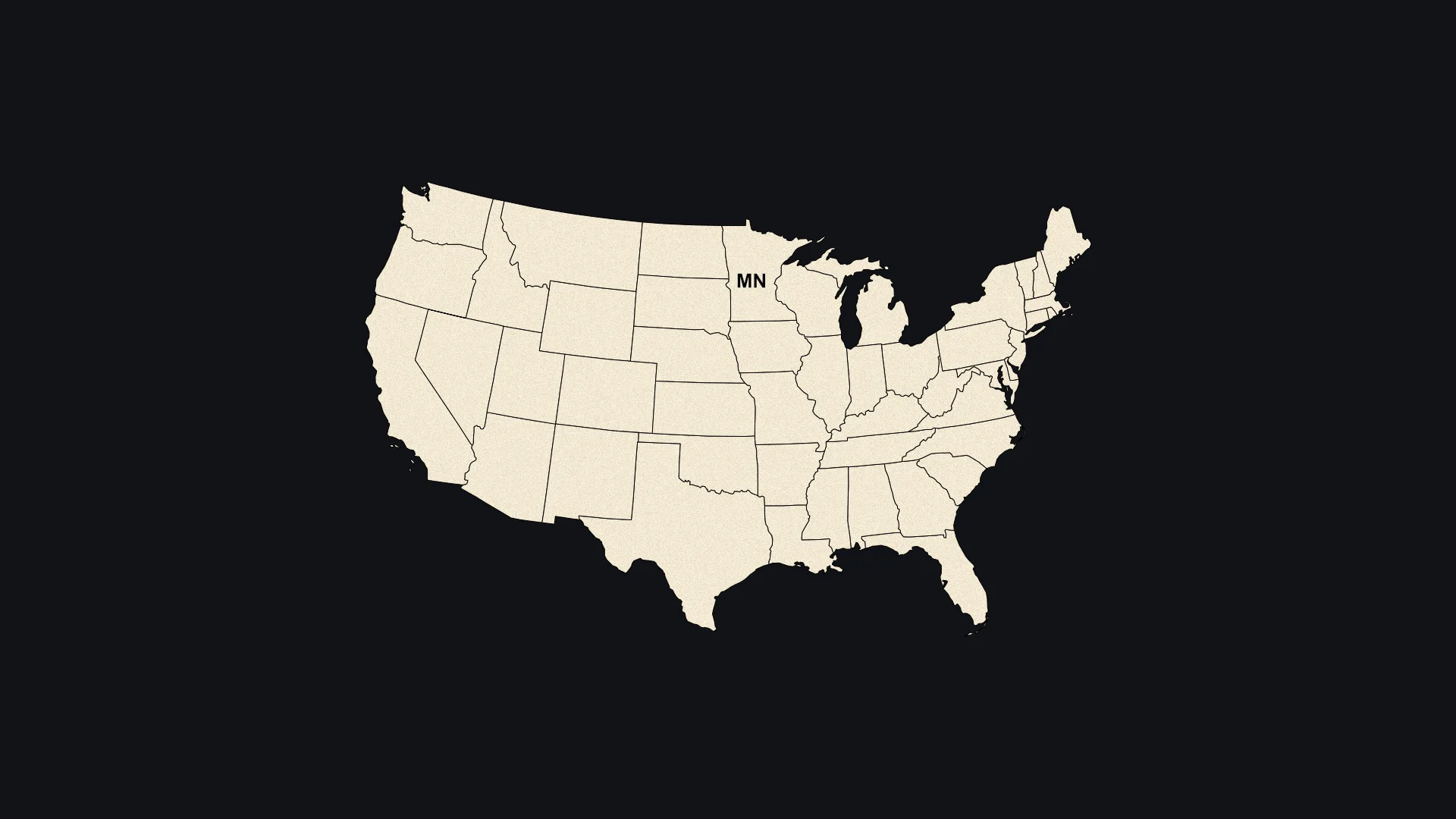
WASHINGTON, May 19, 2026 — The U.S. Commodity Futures Trading Commission on Tuesday sued the state of Minnesota to block a newly enacted law that would criminalize the operation of prediction markets, marking an escalation in a growing federal-state jurisdictional conflict over event contracts and federally regulated derivatives markets.
In a statement, the CFTC said it filed a lawsuit seeking a preliminary injunction to prevent the law from taking effect on Aug. 1. The legislation, signed by Minnesota Governor Tim Walz, would make operating or assisting in the operation of a prediction market a criminal felony in the state.
The CFTC described the Minnesota measure as “the most aggressive move by a state to shut down CFTC-regulated markets” and argued that it undermines the federal regulatory framework governing derivatives markets established under the Commodity Exchange Act more than 50 years ago.
“This Minnesota law turns lawful operators and participants in prediction markets into felons overnight,” Michael S. Selig said in a statement. “Minnesota farmers have relied on critical hedging products on weather and crop-related events for decades to mitigate their risks.”
Federal derivatives jurisdiction and state restrictions
According to the CFTC, the Minnesota law would criminalize the operation of certain CFTC-regulated event contract markets, including weather-related contracts used by agricultural participants for risk management purposes.
The agency said the legislation has a broader reach than measures challenged in other states and warned that it would interfere with federally regulated derivatives activity.
The lawsuit marks the latest escalation in a widening legal and regulatory conflict surrounding prediction markets and event contracts regulated under the Commodity Exchange Act.
Expanding litigation over prediction markets
The CFTC said it recently secured a preliminary injunction in Arizona blocking the use of state gambling laws against prediction market operators.
The agency also said it has filed lawsuits against Connecticut, Illinois and New York and submitted amicus briefs in federal appellate proceedings and litigation in Massachusetts concerning prediction market regulation.
The dispute comes as prediction markets have become an increasingly contested area of U.S. financial regulation, particularly as event-contract platforms expand into political, economic, sports and weather-related markets.