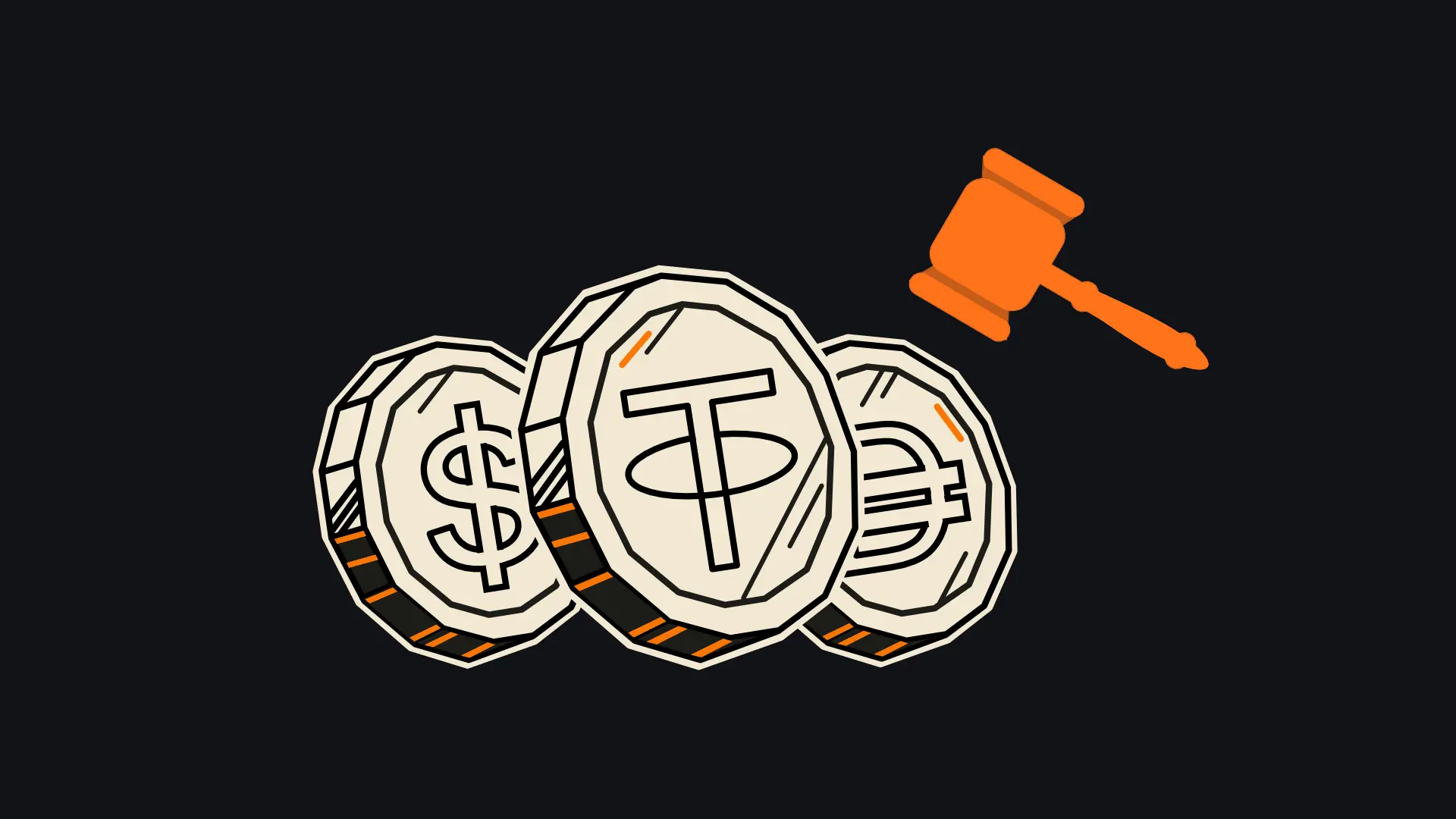
The U.S. Treasury Department has signaled that stablecoins will remain a priority area in its ongoing monitoring of financial risks, pointing to concerns around reserve transparency, market integrity, and the growing integration of digital assets with traditional finance.
In its latest financial risk assessment, the Treasury noted that while stablecoins continue to expand their role in crypto markets and cross-border payments, regulatory gaps persist — particularly around issuer disclosures, reserve composition, and redemption mechanisms during periods of market stress.
Risks extend beyond the digital asset sector
Treasury officials warned that a disorderly failure of a major stablecoin could have spillover effects beyond the crypto ecosystem, especially as banks and other financial institutions deepen their involvement through custody services, payment infrastructure, and tokenized financial products.
“Stablecoins are becoming increasingly interconnected with the broader financial system.”
— U.S. Treasury, Financial Stability Assessment
Legislative talks keep stablecoin oversight in focus
The Treasury’s comments come as U.S. lawmakers continue negotiations over comprehensive digital asset legislation, including proposals that would place stablecoin issuers under federal oversight, require regular audits, and mandate stricter reserve backing standards.
Industry participants have argued that clearer rules would support innovation and strengthen market confidence, while critics caution that overly restrictive measures could push stablecoin activity offshore.
Balancing innovation and financial stability
The Treasury emphasized that its approach seeks to balance innovation with financial stability, signaling that stablecoin regulation will remain a central focus for U.S. policymakers in the coming years as digital assets gain broader adoption.