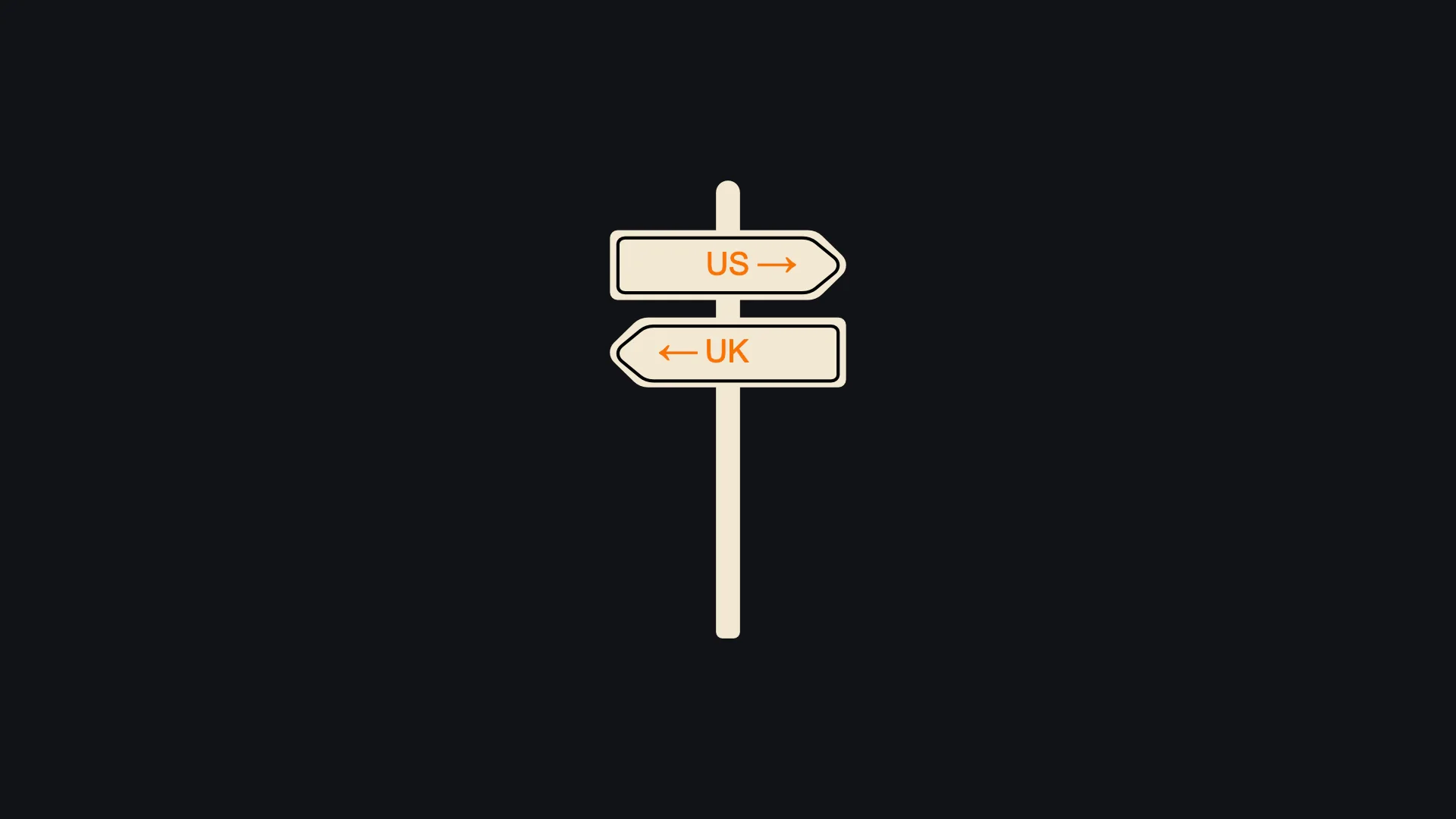
WASHINGTON / LONDON, March 4, 2026 — U.S. and U.K. regulators are divided over how to test blockchain-based versions of traditional financial securities, according to a Reuters report citing people familiar with the discussions within a transatlantic digital-asset cooperation initiative.
The disagreement centers on whether cross-border trials of tokenized securities — blockchain-based representations of financial assets such as stocks or bonds — should be conducted through a regulatory sandbox or through exemptions from existing financial rules.
The issue emerged during meetings of the Transatlantic Taskforce for Markets of the Future, a bilateral initiative announced in September aimed at reducing regulatory barriers for companies seeking to access both markets and improving cooperation on digital assets.
Sandbox versus exemptive relief
Officials involved in the discussions said British regulators have supported testing tokenized securities through a regulatory sandbox, a supervisory framework that allows firms to launch limited pilot projects under regulatory oversight.
The Financial Conduct Authority has used sandbox programs for several years to test innovative financial products while regulators assess potential risks to market integrity and consumer protection.
During a January meeting of the taskforce, however, a representative of the U.S. Securities and Exchange Commission raised concerns about using a sandbox approach, according to two people who attended the discussions.
The SEC is instead evaluating a model based on exemptive relief, which would allow market participants to operate tokenized securities platforms under targeted exemptions from existing securities regulations.
Industry participants have expressed support for the exemptive relief approach, which regulators could use to accommodate blockchain-based market infrastructure without creating a separate experimental regime.
Broader transatlantic cooperation
The regulatory debate comes as the United States and the United Kingdom seek closer coordination on digital-asset oversight and cross-border market access.
The bilateral taskforce was launched to explore ways of reducing regulatory barriers for firms operating across both jurisdictions and to examine potential alignment of rules governing digital assets.
Officials involved in the initiative said regulators from both countries broadly agree on several priorities, including cooperation on oversight of stablecoins, digital assets designed to maintain a fixed value relative to government-issued currencies.
The taskforce is also examining potential reciprocity frameworks that could allow companies regulated in one jurisdiction to access tokenized securities markets in the other with limited additional compliance requirements.
Recommendations expected this summer
Officials familiar with the discussions said the taskforce is expected to deliver policy recommendations by the summer of 2026, outlining areas where U.S. and U.K. regulatory approaches may converge as well as areas where differences could remain.
The SEC said it will continue working with British authorities to build consensus and align regulatory frameworks supporting digital-asset markets.
The Financial Conduct Authority said regulatory sandboxes can provide firms space to test new financial technologies in controlled environments while helping regulators understand emerging risks and opportunities.
The Bank of England and the U.K. Treasury declined to comment.