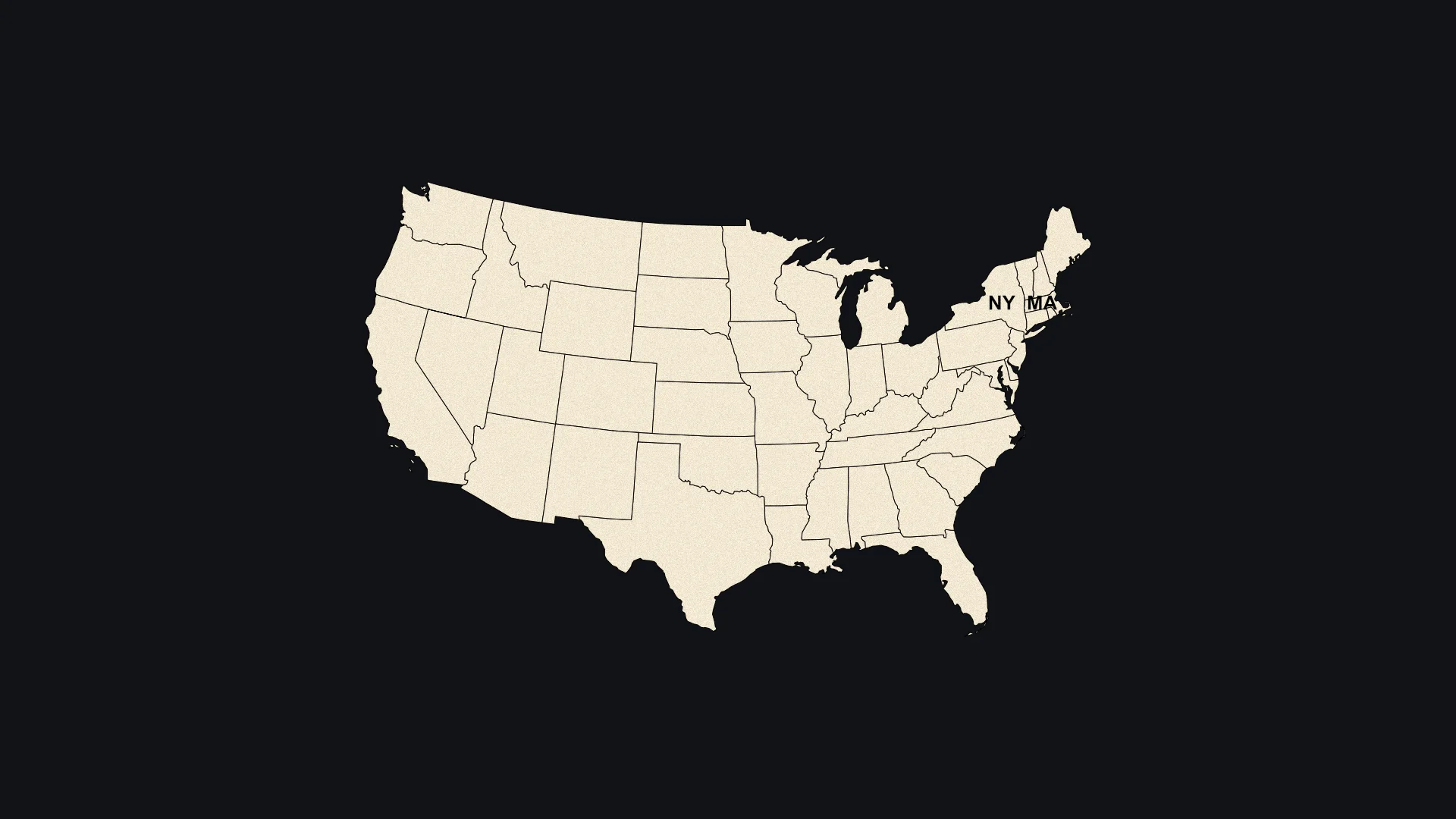
WASHINGTON, April 24, 2026 — The U.S. Commodity Futures Trading Commission said it filed a lawsuit against the State of New York and submitted an amicus brief in Massachusetts as part of a broader effort to defend what it described as its exclusive federal jurisdiction over prediction markets.
New York lawsuit
In a complaint filed in the U.S. District Court for the Southern District of New York, the regulator said it is seeking a declaratory judgment that federal law gives the agency sole authority to regulate event contracts and a permanent injunction barring New York from applying state gambling laws against CFTC-registered exchanges.
The agency said New York had sought to enforce state law through cease-and-desist letters and civil actions targeting entities registered with the commission.
Multi-state legal campaign
The New York case follows similar actions previously brought by the CFTC in Arizona, Connecticut and Illinois, the agency said.
The commission said the filings form part of a broader campaign to resist what it described as state encroachment on its jurisdiction over federally regulated derivatives markets.
Massachusetts filing
Separately, the commission said it filed an amicus brief in the Massachusetts Supreme Judicial Court in Commonwealth of Massachusetts v. KalshiEx LLC, arguing that the Commodity Exchange Act preempts state laws when applied to federally regulated derivatives markets, including event contracts commonly referred to as prediction markets.
Federal preemption argument
The CFTC said the brief outlines the structure of the Commodity Exchange Act and argues that Congress created a comprehensive federal framework governing commodity derivatives trading.
The regulator also said it previously obtained a temporary restraining order in Arizona related to state efforts to regulate CFTC-supervised prediction markets and has argued federal preemption issues before the U.S. Court of Appeals for the Ninth Circuit.