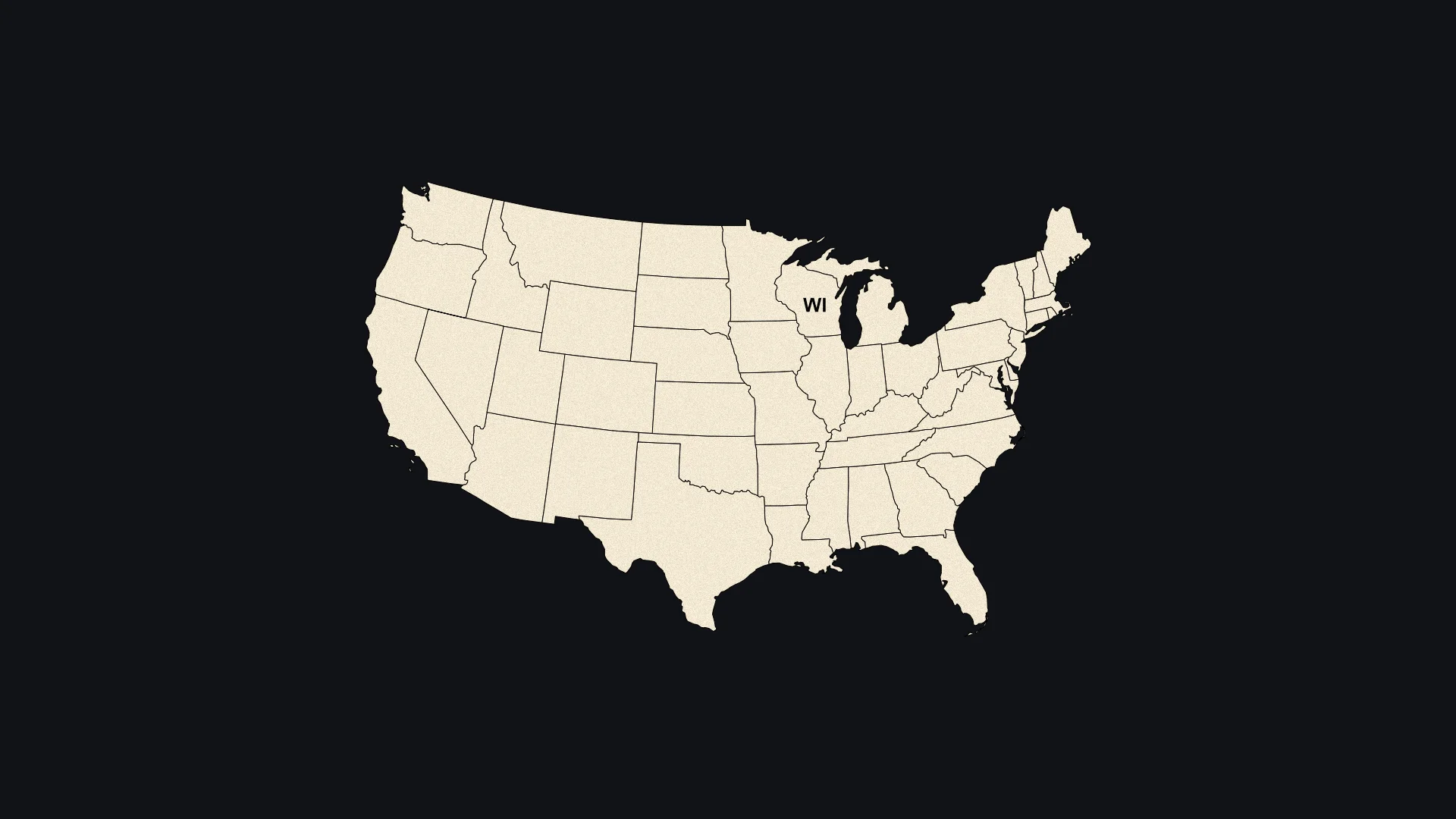
WASHINGTON, April 28, 2026 — The Commodity Futures Trading Commission said in a statement it filed a lawsuit against the state of Wisconsin seeking a declaratory judgment affirming what it described as its exclusive federal authority to regulate event contracts, following state-level actions targeting several platforms.
The regulator said Wisconsin had filed civil suits less than a week earlier against Kalshi, Polymarket, Crypto.com, Robinhood and Coinbase, alleging violations of state law. The commission described those actions as attempts to apply state gambling statutes to markets it said fall under federal derivatives regulation.
The filing follows a separate lawsuit brought by the commission against New York earlier in April, after that state initiated similar legal action against prediction market operators.
Federal jurisdiction dispute
The commission said Congress assigned it exclusive jurisdiction over derivatives markets, including event contracts traded on designated contract markets. It argued that state-level enforcement actions seeking to regulate such contracts under gambling laws conflict with federal authority.
“States cannot circumvent the clear directive of Congress,” CFTC Chairman Michael S. Selig said in the statement. “Our message to Wisconsin is the same as to New York, Arizona, and others: if you interfere with the operation of federal law in regulating financial markets, we will sue you.”
Multi-state legal campaign
The Wisconsin case forms part of a broader series of legal actions by the commission against state authorities. The regulator said it has also filed lawsuits against Connecticut, Illinois and New York as part of efforts to challenge what it described as state encroachment on federal jurisdiction.
In Arizona, a federal court recently issued a temporary restraining order blocking a criminal prosecution against a company registered with the commission, according to the agency. The regulator also said it has submitted amicus briefs in proceedings before the U.S. Court of Appeals for the Ninth Circuit and the Supreme Judicial Court of Massachusetts.
The cases collectively center on whether event-based contracts offered on federally regulated platforms fall exclusively under federal derivatives law or can be subject to state gambling statutes.