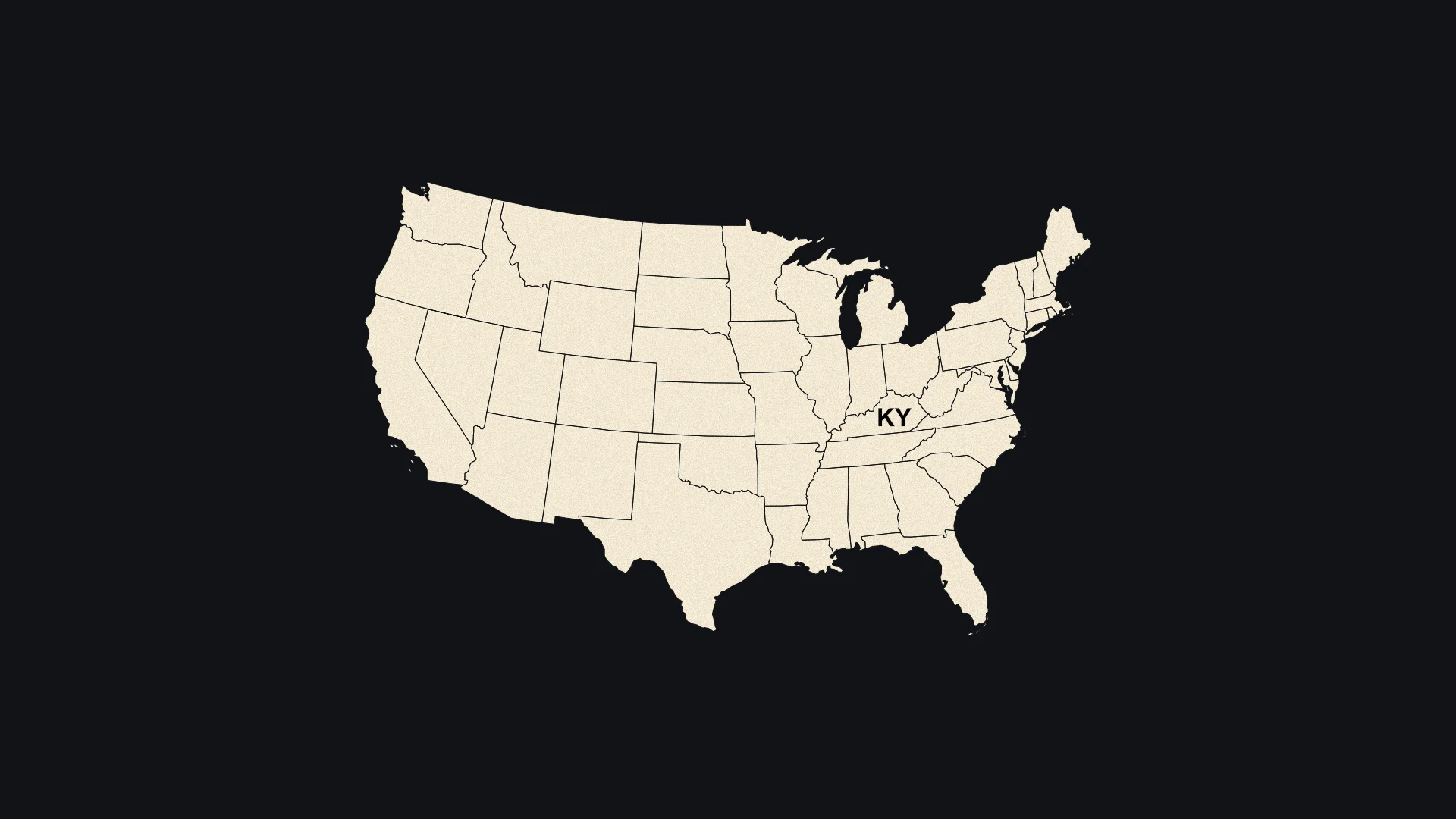
WASHINGTON, June 23, 2026 — The Commodity Futures Trading Commission and the U.S. Department of Justice have filed a lawsuit against Kentucky, seeking to block the state’s efforts to apply state laws to federally regulated prediction markets and event contracts.
The complaint, filed in the U.S. District Court for the Eastern District of Kentucky, argues that Kentucky’s enforcement actions and recently enacted laws targeting prediction market operators interfere with the CFTC’s exclusive authority over derivatives markets under the Commodity Exchange Act.
According to the complaint, Kentucky filed civil enforcement actions on June 17 against entities comprising Kalshi, Polymarket, Robinhood, Coinbase and Webull, alleging that certain sports-related event contracts constitute unauthorized sports wagering under Kentucky law.
The CFTC and DOJ contend that the targeted event contracts are swaps regulated under federal law and traded on CFTC-regulated designated contract markets, placing them within the Commission’s exclusive jurisdiction.
“Kentucky is the latest state attempting to shut down federally-regulated event contracts,” CFTC Chairman Michael S. Selig said in a statement announcing the lawsuit.
Federal-state dispute
The lawsuit centers on whether states may apply gambling and consumer protection laws to event contracts offered through federally regulated exchanges.
The complaint argues that Congress granted the CFTC exclusive jurisdiction over futures, options and swaps traded on designated contract markets and that federal law preempts state efforts to regulate or prohibit such transactions. The agency further asserts that allowing states to impose separate restrictions would undermine the uniform national framework established by the Commodity Exchange Act.
The filing asks the court to declare Kentucky laws invalid to the extent they are applied to CFTC-regulated designated contract markets and to permanently block state officials from enforcing those provisions against federally regulated exchanges.
Kentucky laws challenged
The complaint specifically challenges several Kentucky measures adopted in 2026.
Among them is House Bill 757, which imposes a 14.25% excise tax on prediction market operators. The CFTC argues the tax would make it economically infeasible for many prediction market platforms to operate in the state.
The agency also challenges provisions restricting relationships between Kentucky-licensed sports wagering operators and entities involved in prediction markets or sports event contracts.
According to the complaint, Kentucky seeks damages, civil penalties and injunctive relief against companies involved in offering sports-related event contracts.
Broader prediction market battle
The lawsuit is the latest step in the CFTC’s broader legal campaign involving Minnesota, Wisconsin, New York and other states over the regulation of prediction markets.
The complaint notes that event contracts listed on designated contract markets are subject to federal oversight and that Congress specifically authorized the CFTC to review and regulate such products under the Commodity Exchange Act.
Why it matters
The case could help determine whether states can use gambling laws to restrict federally regulated prediction markets. A ruling in favor of the CFTC would strengthen the agency’s position that event contracts traded on regulated exchanges fall under federal jurisdiction and could limit state efforts to impose separate licensing, taxation or enforcement requirements on prediction market operators.